What Is Truth?
A Rational and Biblical Defense of Objective Truth
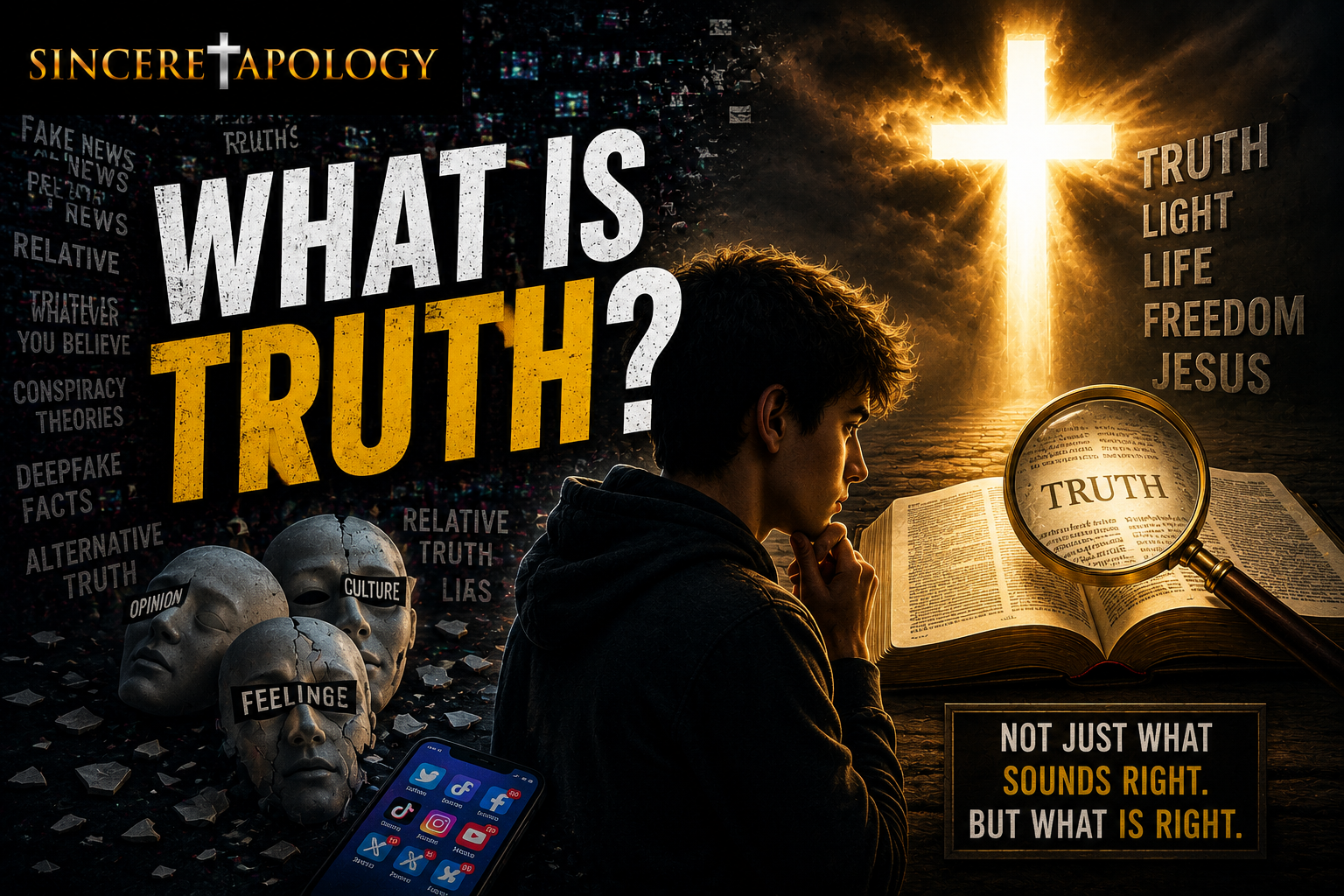
In a world filled with conflicting opinions, political division, social media arguments, and endless information, one question continues to rise above the noise:
What is truth?
Some believe truth is relative. Others argue truth changes from person to person. Modern culture often teaches that truth is shaped by feelings, experiences, or personal perspective. Phrases like “live your truth” and “speak your truth” have become common in everyday conversation.
But this raises a serious question:
If truth changes for everyone, is anything objectively true at all?
At Sincere Apology, we believe truth is not merely a philosophical concept. Truth is foundational to morality, reason, science, justice, and the Christian faith itself.
Without truth, society collapses into confusion.
Why Truth Matters
Truth affects every area of life.
When you visit a doctor, you want truthful medical advice.
When you board an airplane, you trust truthful engineering.
When a judge enters a courtroom, justice depends on truthful evidence.
No one lives consistently as though truth is relative.
Imagine a person saying, “Truth does not exist,” while expecting others to believe that statement is actually true. The claim defeats itself logically.
Truth matters because reality matters.
What Is Truth?
Simply stated, truth is that which corresponds to reality.
If someone says, “Water freezes at 32 degrees Fahrenheit,” that statement is true because it aligns with reality. If someone claims the moon is made of cheese, the statement is false because it contradicts reality.
Truth is not determined by:
- popularity,
- emotions,
- opinions,
- culture,
- or personal preference.
Truth exists independently of what people feel about it.
Two contradictory ideas cannot both be true in the same sense at the same time. This basic principle of logic forms the foundation of rational thought.
The Rise of Relativism
Modern society increasingly embraces relativism — the belief that truth varies from person to person.
Relativism sounds tolerant and inclusive on the surface, but it creates enormous problems.
If truth is relative:
- morality becomes subjective,
- justice loses its foundation,
- evil cannot be objectively condemned,
- and reason itself breaks down.
For example, if one person believes kindness is good while another believes cruelty is good, relativism provides no objective standard to determine which view is correct.
Without objective truth, moral outrage becomes inconsistent.
Ironically, many who deny objective truth still expect fairness, justice, equality, and human rights — all of which depend upon objective moral truths.
Can Truth Be Known?
Some skeptics argue that even if truth exists, humans cannot truly know it.
But this position also creates a contradiction.
To claim “truth cannot be known” is itself a truth claim. If the statement is true, then at least one truth can be known.
While humans are imperfect and can misunderstand things, this does not mean truth is unknowable. People discover truth every day through reason, evidence, observation, and logic.
Science itself depends on the assumption that objective truth exists and can be investigated.
Christianity and Objective Truth
Christianity boldly claims that truth is real, knowable, and ultimately grounded in God.
According to the Bible:
- God is truthful,
- His character is consistent,
- and reality reflects His nature.
This provides a solid foundation for logic, morality, reason, and human dignity.
Without God, objective morality becomes difficult to justify because moral values would ultimately reduce to personal preferences or evolutionary survival instincts.
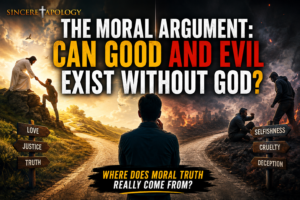
Christianity explains why humans instinctively recognize concepts like justice, right and wrong, love, and evil. These realities reflect the moral character of a transcendent Creator.
Jesus Christ and Truth
One of the most remarkable statements in Scripture comes from Jesus Christ Himself when He declared:
“I am the way, the truth, and the life.”
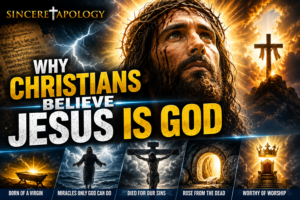
Jesus did not merely claim to teach truth. He claimed to embody truth itself.
This makes Christianity radically different from many belief systems. The Christian faith is rooted in historical claims that can be examined, investigated, and defended:
- the life of Jesus,
- His crucifixion,
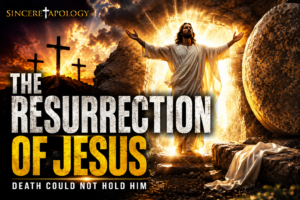
- the empty tomb,
- and the eyewitness testimony surrounding His resurrection.
Christianity invites investigation because truth withstands scrutiny.
Why People Resist Truth
Truth can be uncomfortable because it confronts human pride, selfishness, and sin.
People often reject truth not because evidence is absent, but because truth demands accountability. Accepting objective truth means acknowledging that some actions are genuinely right while others are genuinely wrong.
It also means recognizing humanity’s need for redemption.
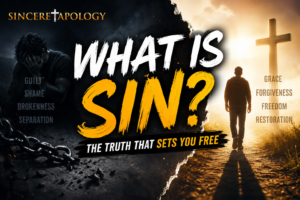
The Bible teaches that sin separates humanity from God, producing spiritual blindness and moral confusion. Yet Christianity also offers hope through Jesus Christ, who came to restore humanity’s relationship with God.
How to Pursue Truth
Be Willing to Ask Hard Questions
Truth seekers should not fear investigation. Honest questions are not enemies of faith; they are often the beginning of deeper understanding.
Examine Evidence Carefully
Christianity is supported by historical evidence, philosophical reasoning, manuscript reliability, and the testimony of changed lives throughout history.
Follow Truth Wherever It Leads
Genuine truth-seeking requires intellectual honesty. A person committed to truth must be willing to accept conclusions even when they challenge personal assumptions.
Seek God Sincerely
The search for truth ultimately leads beyond abstract ideas toward the God who defines reality itself.
Final Thoughts
The question “What is truth?” is more important now than ever before.
In a culture filled with confusion and competing ideologies, objective truth remains essential for reason, morality, justice, and human flourishing.
At Sincere Apology, our mission is to defend the reliability of Christianity and encourage people to investigate life’s deepest questions honestly. Christianity teaches that truth is not subjective or unknowable. Truth is real, rational, and ultimately revealed through God and Jesus Christ.
Truth does not change because culture changes.
Truth does not disappear because people reject it.
And truth is not created by human opinion.
Truth is discovered.